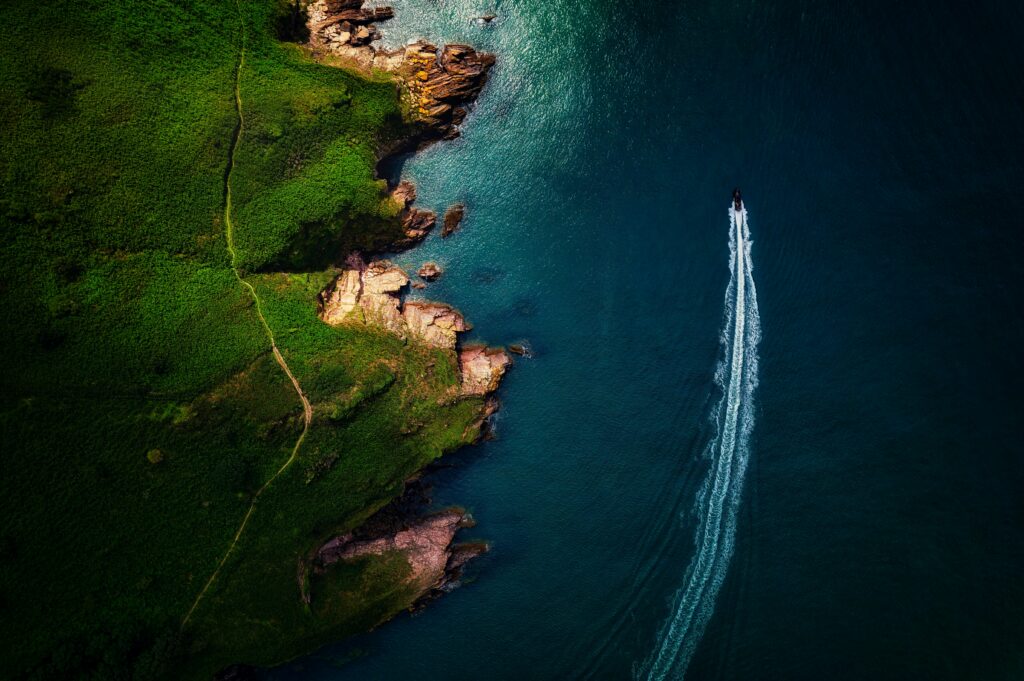
By Clement Garcia and Frances Mynott, Cefas leads of the mNCEA programme. The Cefas-led project, ‘A seascape natural capital approach for sustainable management (Seascapes)’, is part of a 3-year Defra funded marine Natural Capital and Ecosystem Assessment (mNCEA) programme. mNCEA …
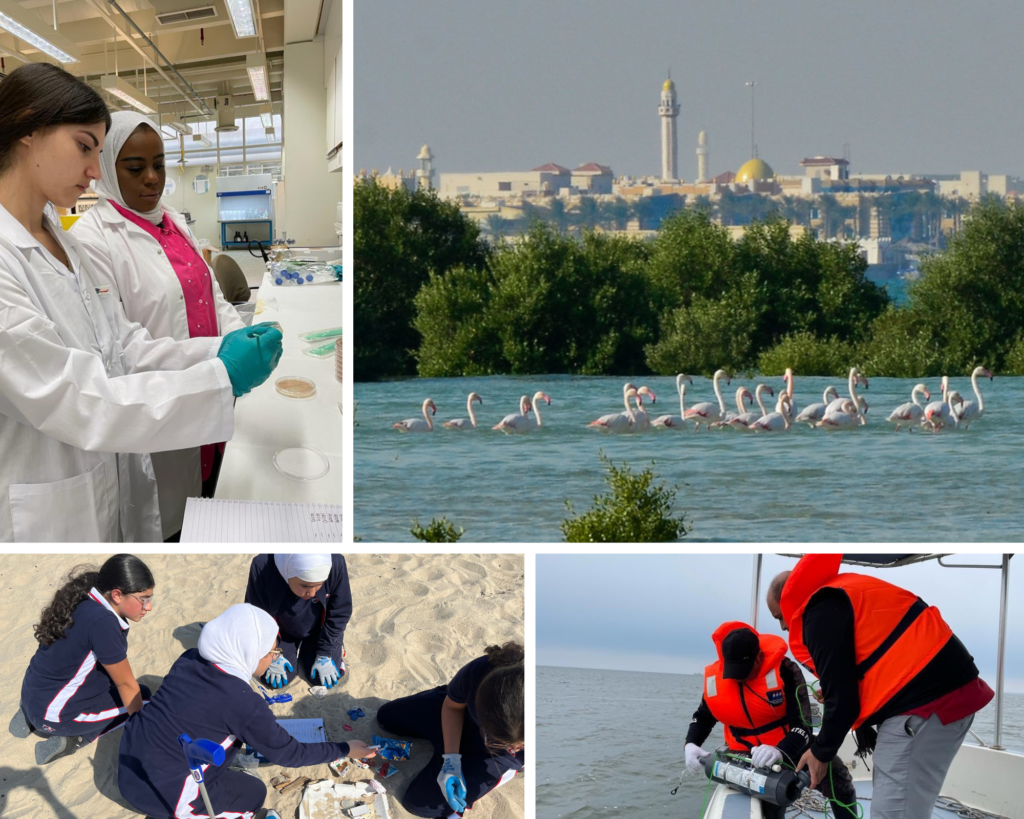
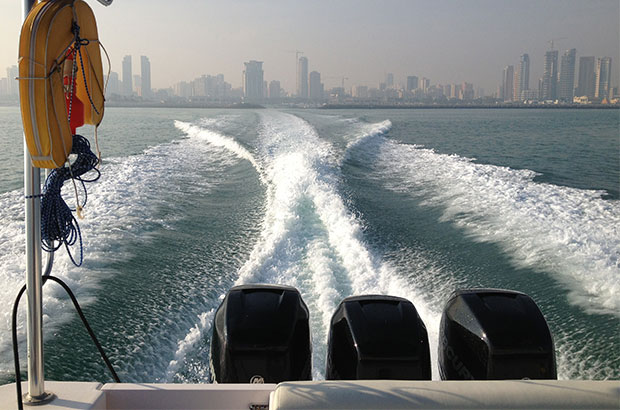
Our Climate, Health, and Environment Resilience Programme (CHERP) has recently kicked off another year of activity in the Middle East. With the UN Climate Change COP28 currently underway in the region, we are taking a look back at what we …
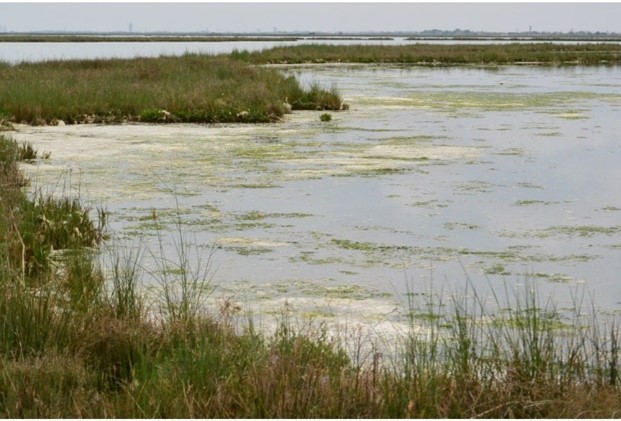
Coastal areas of the Channel Manche region (between England and France) have an excess level of nutrients (such as nitrogen) from river run-off and urban discharges, which causes excessive growth of green algal mats. Seaweeds will begin to build up …
Cefas’ Dr Peter Randall recently visited the (British) Virgin Islands (hereafter referred to as the Virgin Islands (VI)) as part of the Darwin Plus Funded Project, “Capacity Building in Fisheries Evidence, Networks and Management in the Virgin Islands”. The project …
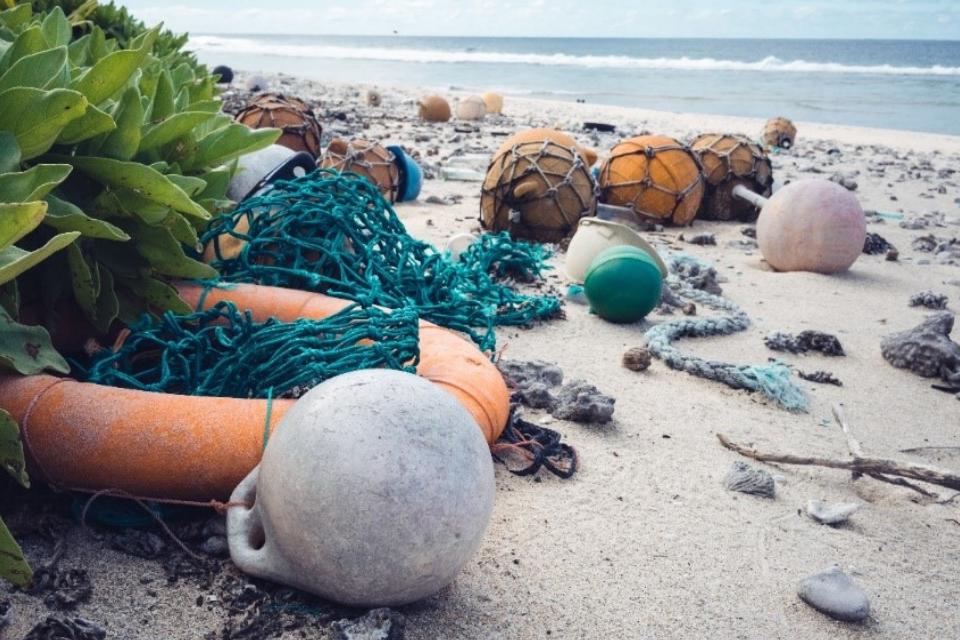
More than 2 years after Henderson Island was found to have the 'world's highest’ recorded density of plastic rubbish scientists returned for another research expedition last June
...the uptake and accumulation of chemical contaminants in teleost fish and sharks sampled from Kuwait Bay. Significantly, levels of metal contamination in the extremely rare smoothtooth blacktip shark (Carcharhinus leidon)...
I’m Thomas Maes, a Cefas marine biologist with nearly 10 years’ experience of coastal and ocean monitoring. I manage Cefas’ Clean Seas Environmental Monitoring Programme and provide advice to the UK government on issues related to human impacts on the …
Related content and links
About Marine Science
The Marine Science blog showcases the latest developments and research in the marine and freshwater sectors across all government departments.