For more than three decades, a small flatfish in the UK has been helping scientists investigate some difficult questions: is pollution in the marine environment getting better or worse, and does it have an impact on the marine life that lives there? Sudden pollution incidents such as oil spills do unfortunately occur from time-to-time, which can have a devastating impact on marine life. However, there are also teams of UK scientists dedicated to investigating the long-term environmental impacts of human activities, specifically concerning chemicals that we have become dependent on in our day-to-day lives.
The common dab (Limanda limanda) flatfish is not a species known for attracting public attention, but for marine scientists, dab have long played an important role as a sentinel species that can help reveal the biological effects of marine pollution. In a newly published study in Environment International, Cefas scientists examined long-term trends in liver tumours in dab collected from 29 monitoring sites from five biogeographical marine regions in the UK. The results showed a significant decrease in the overall prevalence of these tumours over time, providing encouraging evidence that the biological effects of hazardous chemicals may have reduced in parts of the UK marine environment. However, the story is not simply one of recovery. While the study shows that things appear to be moving in the right direction, liver tumour prevalence remains high in some areas, particularly parts of the Irish Sea and North Sea, despite the observed decrease. Understanding why these patterns persist is now an important scientific and policy question.
Why do scientists investigate liver tumours in fish?
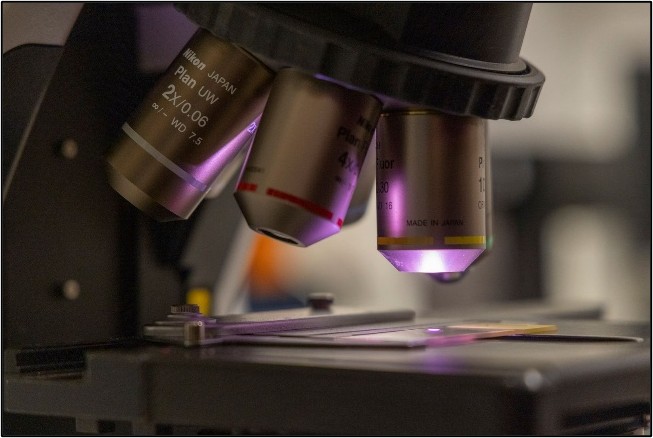
The liver is one of the main organs responsible for the processing and excretion of chemicals. In fish, as in other animals, it can show abnormal tissue changes (pathology) which can provide evidence of exposure to harmful substances. Certain liver pathologies, including tumours, have been used for many years in marine monitoring programmes as indicators of biological effects associated with chemical exposure. This does not mean that every tumour has a simple or single cause. Marine environments are complex, and fish are exposed to many natural and human pressures throughout their lives. But when patterns are observed consistently across time, location and age groups, they can provide important clues about the health of the wider environment.
A long-term investigation
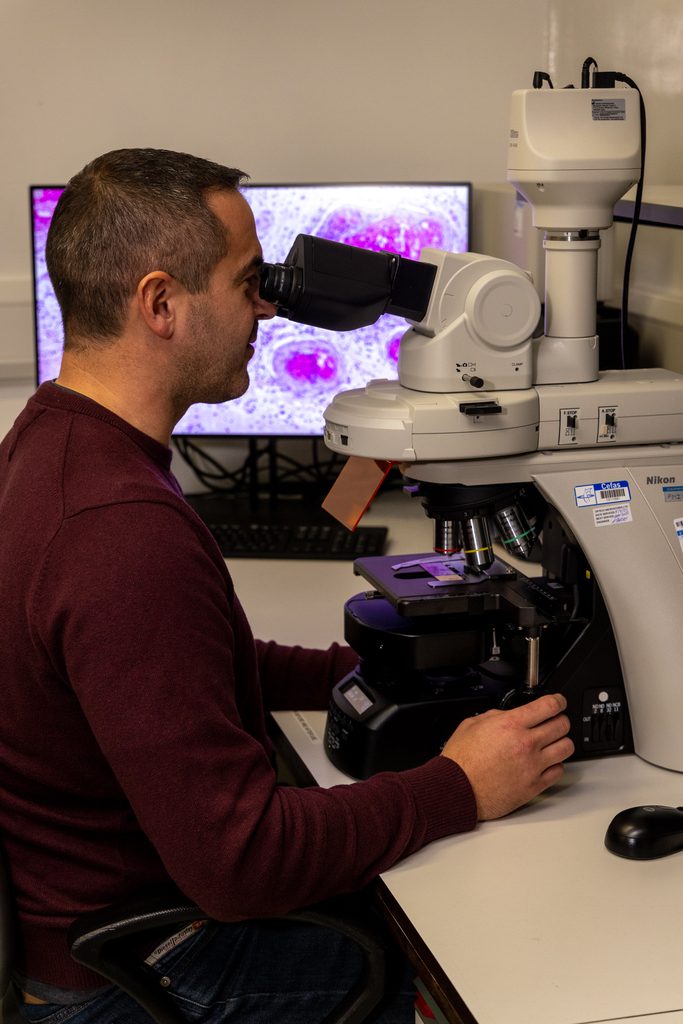
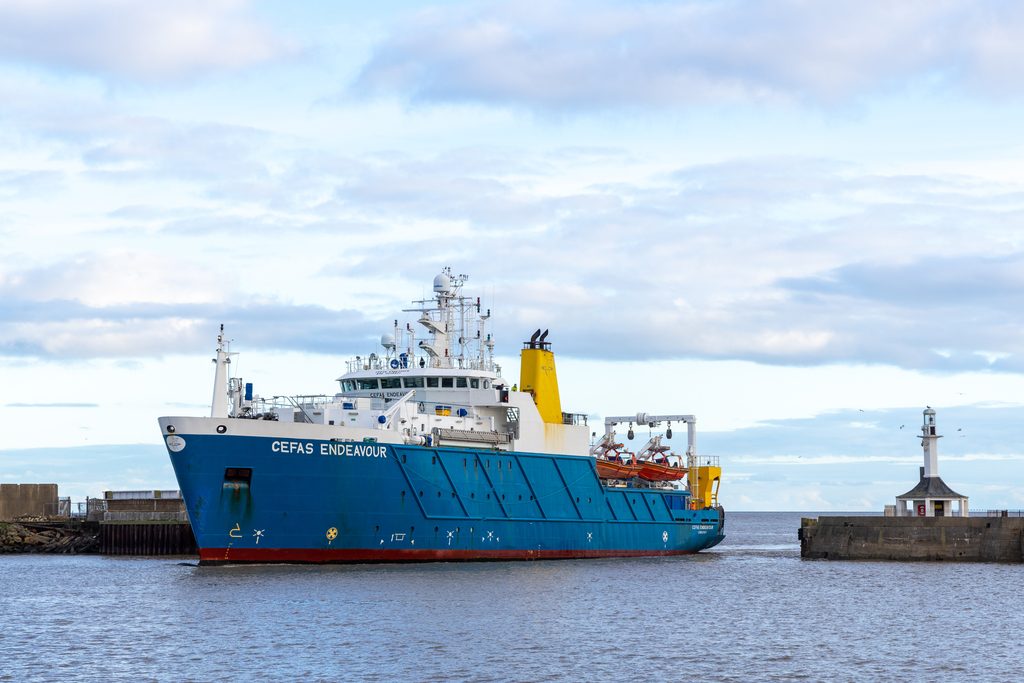
This is one of the largest studies ever conducted to investigate long-term trends in liver tumours in fish and their potential causes. Linking chemical exposure to biological effects in wildlife is notoriously difficult and relies on the consistent long-term collection of baseline monitoring data. The value of monitoring is often only fully realised after many years, when the time series becomes long enough to reveal patterns that would otherwise remain hidden. One of the strengths of this Cefas study is the length and consistency of the offshore surveys that underpinned this work, conducted under the Clean Seas Environmental Monitoring Programme (CSEMP) on board the RV Cefas Endeavour. This is the UK government’s principal monitoring programme for understanding the health of our seas by bringing together chemical measurements in sediments and fish with biological effects data, including liver pathology. It has been established for several decades monitoring approximately 29 locations from five biogeographic marine regions around the UK including the Northern North Sea, Southern North Sea, Irish Sea, Eastern Channel, and Western Channel and Celtic Sea. The integrated approach of CSEMP allows scientists to look beyond the presence of contaminants alone and assess whether chemical pressures are associated with measurable effects in marine wildlife. Each fish represents a small piece of evidence including where it was collected, how old it was, how large it was, and what liver pathology was seen under the microscope. Individually, those observations tell us relatively little. However, when thousands of observations are brought together across years and locations, they become a powerful dataset. This allows scientists to determine whether disease patterns are changing, whether some marine regions are more affected than others, and whether environmental improvements are being reflected in the health of wild fish.
Encouraging signs, but questions remain
The overall decrease in liver tumour prevalence is an encouraging finding that may reflect the benefits of improved regulation and reductions in some hazardous chemical inputs into the marine environment. However, the higher prevalence of tumours in parts of the Irish and North Seas suggests that some areas may still be adversely affected by additional pressures, including historical contamination and/or continuing inputs. Furthermore, whilst improved regulation may be a contributing factor to the observed reduction in prevalence, scientists are still uncertain about which chemicals are responsible for dab liver tumour formation in UK waters. The Cefas study showed that concentrations in dab livers of a now banned and highly persistent family of chemicals, the Polychlorinated Biphenyls (PCBs), were correlated with higher incidences of liver tumours, although the team treated this finding cautiously. While it was interesting to observe this correlation, as scientists we need to be cautious regarding what our data show, because correlation does not always mean causality. On closer examination, this relationship may partly reflect the spatial structure of the dataset. Specifically, compared with other marine regions, the higher number of sampling sites, and by extension higher numbers of fish, in the Irish Sea was considered likely to heavily influence the observed correlation.
So, could another family of chemicals be involved in causing liver tumours in dab? This is where the investigation becomes both interesting and challenging. In North America, a wealth of studies have pointed towards the Polycyclic Aromatic Hydrocarbons (PAHs), as important contributors to liver tumours in several fish species. However, these studies typically focused on species sampled in relatively shallow inshore habitats where environmental contaminants are generally more concentrated. In the Cefas study, the focus was mostly at offshore locations, where measured sediment contaminant concentrations were typically lower. However, dab may not spend their whole lives in the same place.
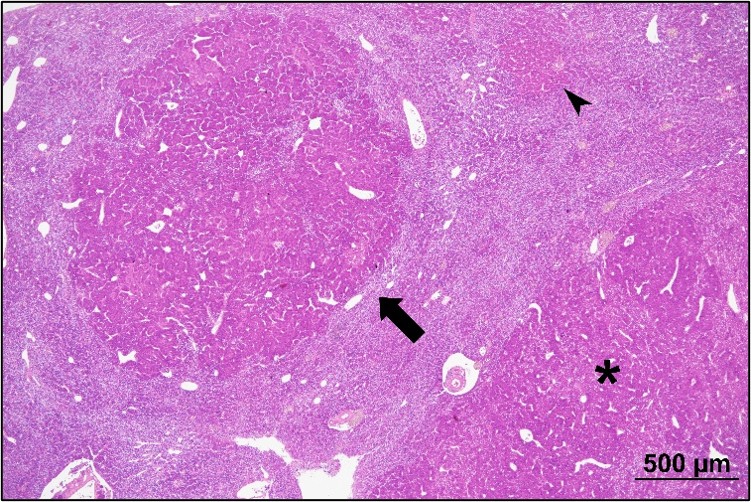
There are several observations that provide additional clues to the possible causes of liver tumours in dab. Unlike some infections that result in acute clinical signs of disease, carcinogenesis is generally a chronic process, with tumours developing over an extended period. Our data also show that liver tumours are rarely observed in dab younger than three years of age. Together, these observations suggest that the events initiating carcinogenesis may occur considerably earlier in life, well before tumours become detectable. This is particularly interesting because many marine fish can spend their early life in coastal and inshore habitats before moving farther offshore as they mature. Taken together, the evidence supports the hypothesis that dab may be exposed to hazardous chemicals closer inshore and at a much younger age, with the resulting tumours only becoming apparent later, once the fish have moved offshore. In other words, the tumours observed in offshore dab may be evidence of earlier exposure, but their location does not necessarily tell us where that exposure occurred.
Following the exposure pathway
The latest Cefas study published in Environment International was the result of monitoring that helps inform the UK’s progress towards Good Environmental Status under the UK Marine Strategy Regulations. The next step is a period of complementary research to better understand where and when exposure occurs, and which chemicals or chemical groups are most likely to be involved. We are about to embark on a four-year research project funded by the Department for Environment, Food and Rural Affairs (Defra) Marine and Fisheries Research & Development Commission to investigate whether trace element and isotope analysis of otoliths, the ear bones of fish, can reveal more about the life history and origins of dab, and ultimately the chemicals they may have been exposed to. This R&D matters because marine policy and management depend on knowing not only that biological effects are occurring, but also what pressures are driving them and what can be done about it. Identifying exposure pathways could help improve future monitoring, strengthen understanding of contaminant sources, and support more effective action to protect marine ecosystems.
Professor Grant Stentiford, Cefas Chief Scientist, said, “This study highlights the value of long-term monitoring programmes. Measuring the biological effects of exposure to contaminants offer one of the best ways to understand and manage the health of our seas – with long term datasets playing a critical role in detecting legacy and emerging issues. The findings of this study are encouraging and show that environmental improvements can be detected via the health status of the fish living in our seas. For Cefas, the Clean Seas Environmental Monitoring Programme provides an important evidence base for understanding the biological effects of hazardous substances in UK seas. It also demonstrates how our marine science platform, supporting offshore field surveys aboard our research vessel through to detailed laboratory analyses, underpin our evidence and advice to Government on management, protection and recovery of our precious marine environment.”
The common dab may be a somewhat modest flatfish, but it has been telling an important story about pollution, recovery, and the continuing need to follow the evidence.