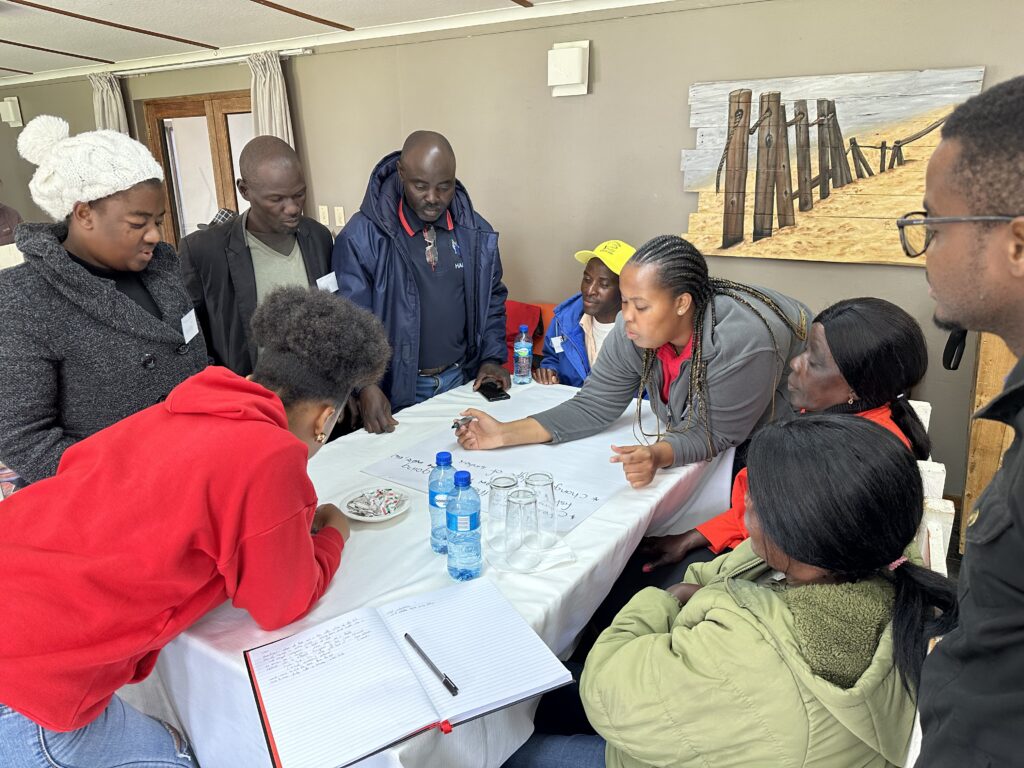
In this Q&A, Georg Engelhard Principal Marine Climate Change and Fisheries Scientist at Cefas, discusses a new One Ocean Hub paper titled “Climate risk assessment of the fisheries in Namibia” and its associated policy paper. It is the outcome of …
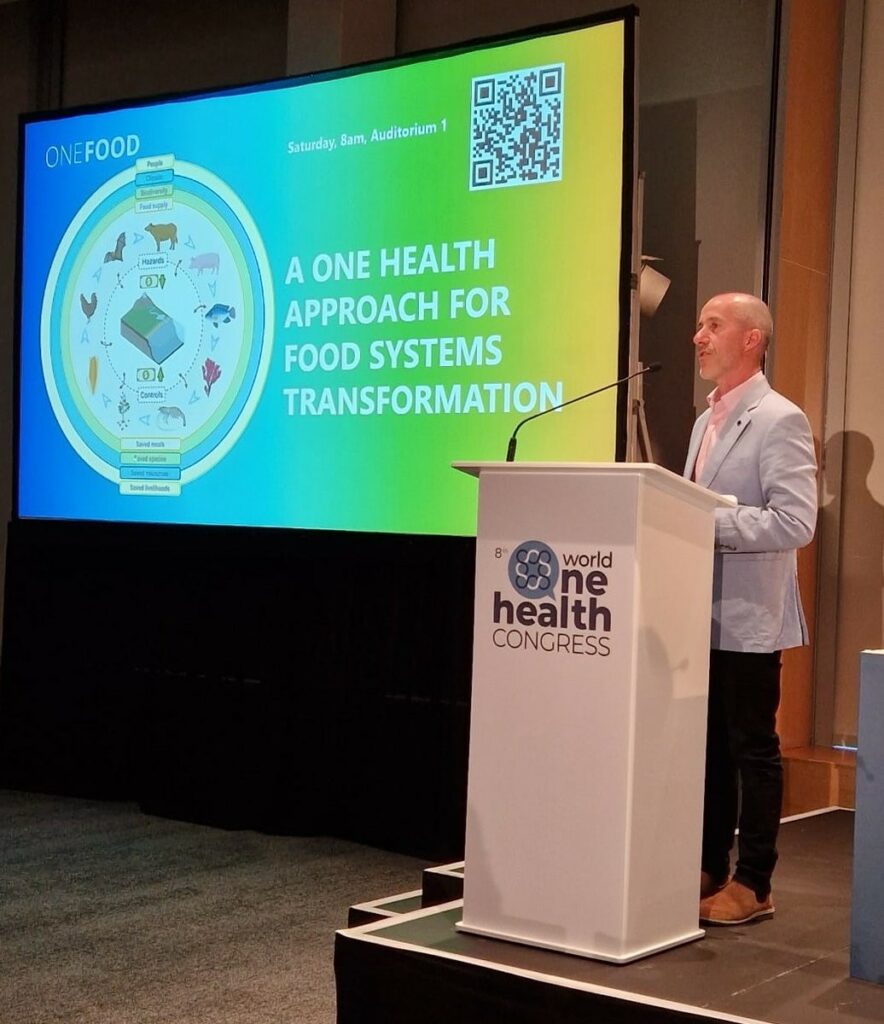
Authors: Julie Bremner (Cefas), Grant Stentiford (Cefas), Flavie Vial (APHA), Essa Suleman (CSIR) The UK government’s Animal and Plant Health Agency (APHA) and Centre for Environment, Fisheries and Aquaculture Science (Cefas) recently attended the 8th World One Health Congress (WOHC) …
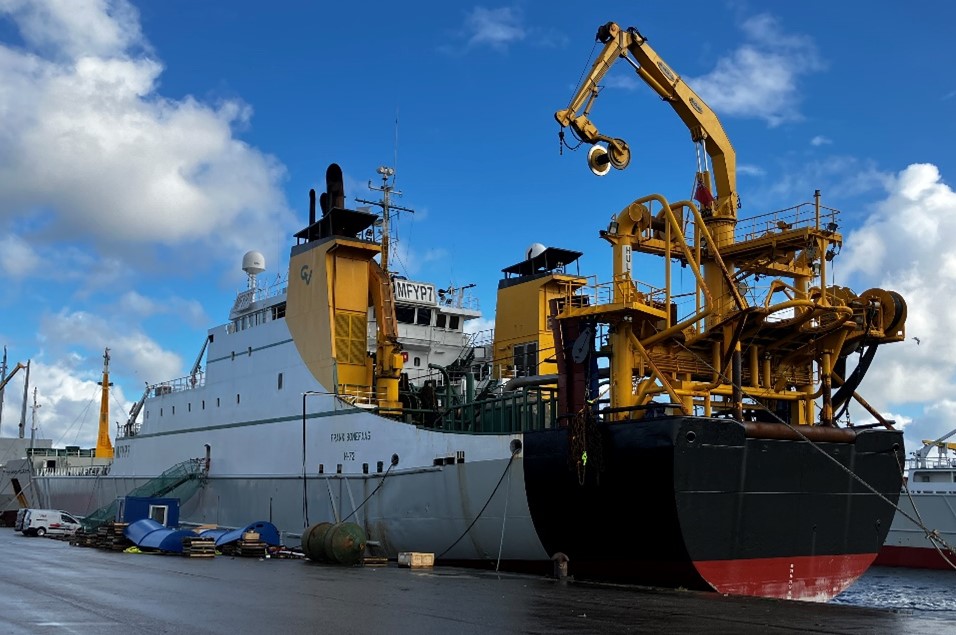
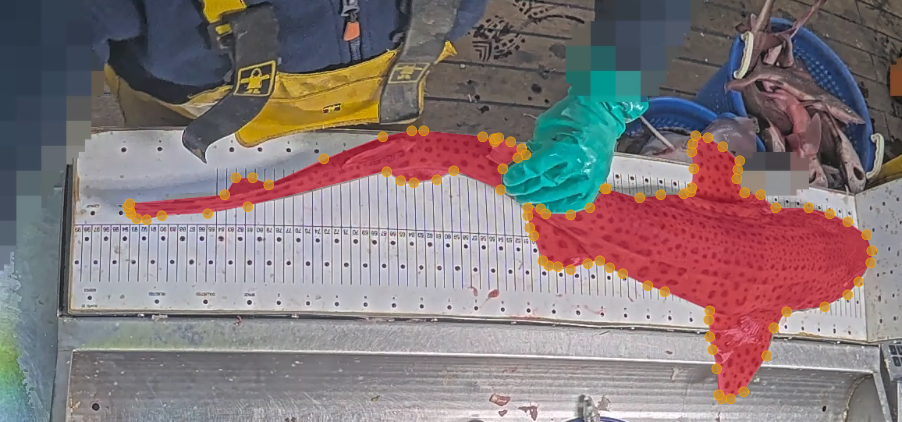
Authors: Ross Robertson (Defra), Martin Arris (MMO), Rebecca Skirrow (Cefas) and Thomas Catchpole (Cefas) What is REM and what are our plans? Remote Electronic Monitoring, or REM for short, is a data collection tool that can be installed on vessels …
By Clement Garcia and Frances Mynott, Cefas leads of the mNCEA programme. The Cefas-led project, ‘A seascape natural capital approach for sustainable management (Seascapes)’, is part of a 3-year Defra funded marine Natural Capital and Ecosystem Assessment (mNCEA) programme. mNCEA …
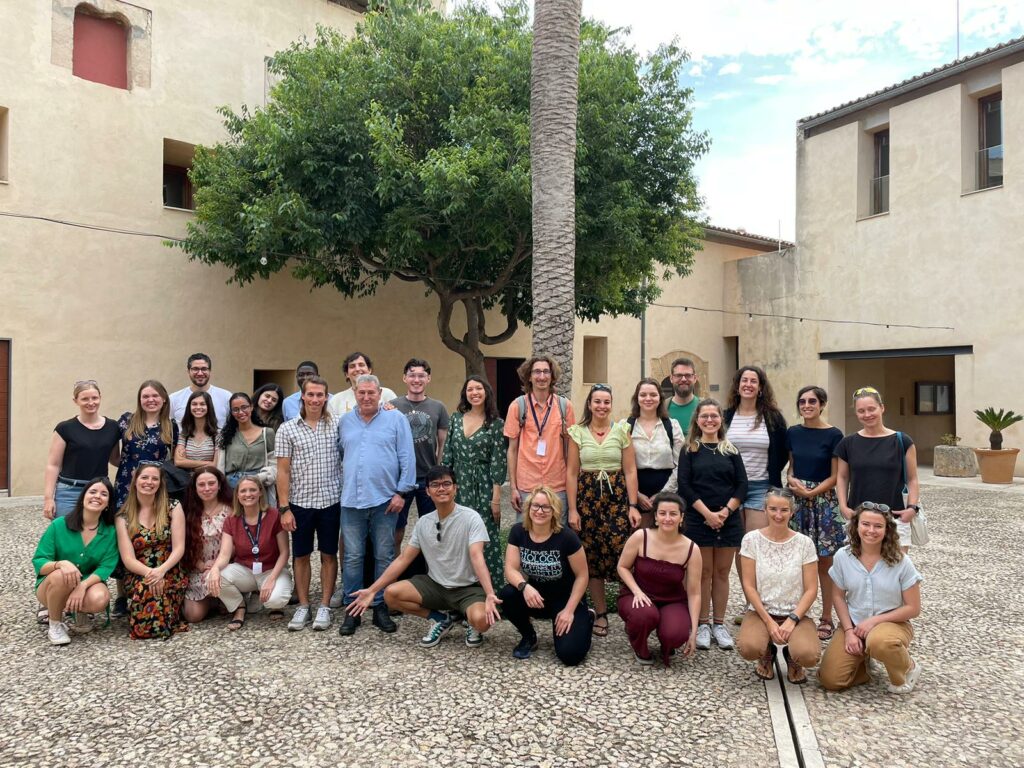
In July 2023, The Fisheries Society of the British Isles (FSBI) 2023 Annual Symposium, co-convened by the University of Essex and the Centre for Environment, Fisheries and Aquaculture Science (Cefas) aimed to discuss the latest fish biology and fisheries science, …
In January this year, Cefas installed a Remote Electronic Monitoring system on our research vessel, the Cefas Endeavour. Why, you might ask… Do you really need to monitor a vessel that is already doing monitoring? Remote Electronic Monitoring - Let’s …
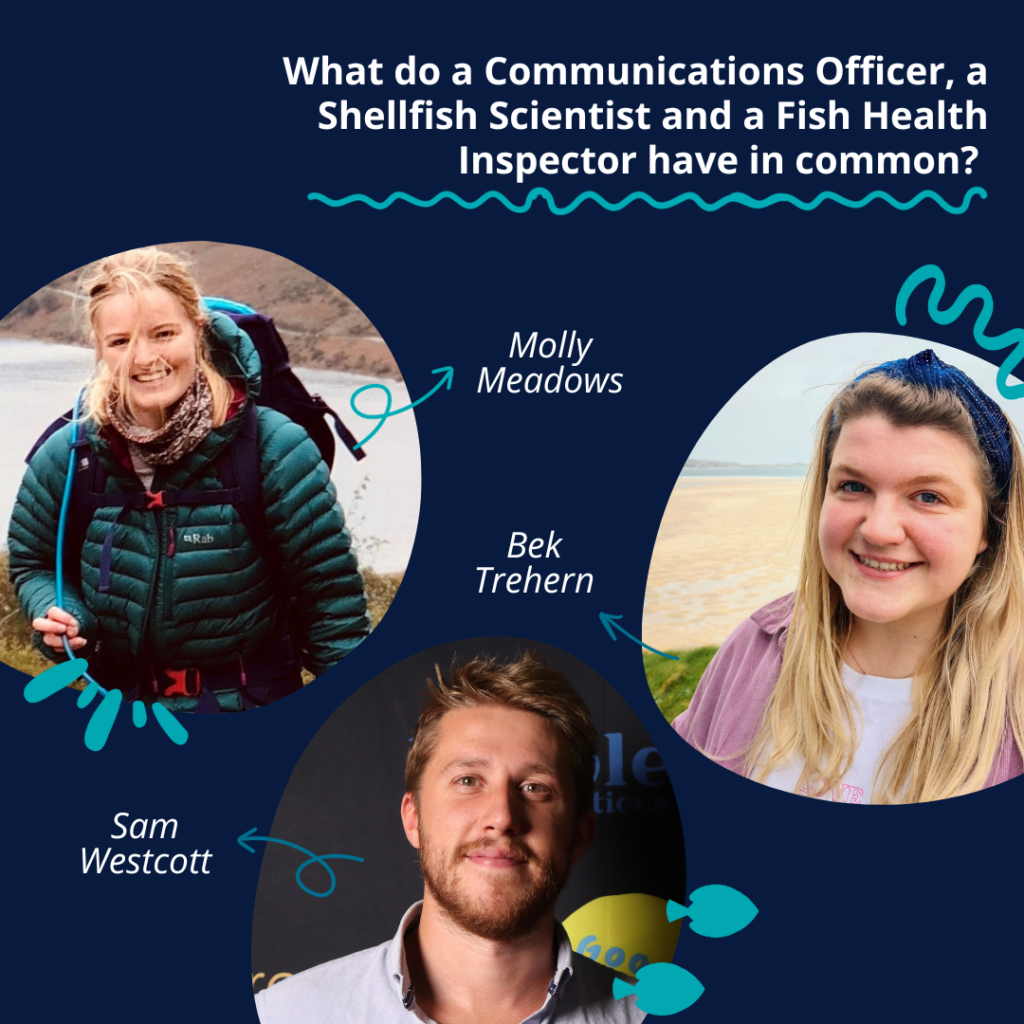
Answer: They all graduated from a Zoology degree at the University of Exeter in 2016! With the start of a new academic year, this time often comes with big decisions and a lot of uncertainty. Perhaps you’re making decisions on …
On Monday 17th July, the UK government’s Department for the Environment, Food and Rural Affairs (Defra) announced further steps to deliver a thriving, sustainable fishing industry and healthy marine environment following the UK’s exit from the European Union (EU). As …
First things first, who am I? I'm James, an Offshore Fisheries Observer and team leader at Cefas. I have been doing the observer role for almost 4 years now, so I am very much an early career (fisheries) scientist. I …
A standardised training programme for shark and ray trade inspectors, a team of 20 expert trainers increasing staff capacity nationally and a global expert in identifying shark products from DNA are just some of the highlights delivered as part of …
Related content and links
About Marine Science
The Marine Science blog showcases the latest developments and research in the marine and freshwater sectors across all government departments.