Seabed Carbon Risks: What Our Evidence Shows
A new technical briefing reviews the latest evidence on how trawling, other human activities and climate change affect seabed carbon.
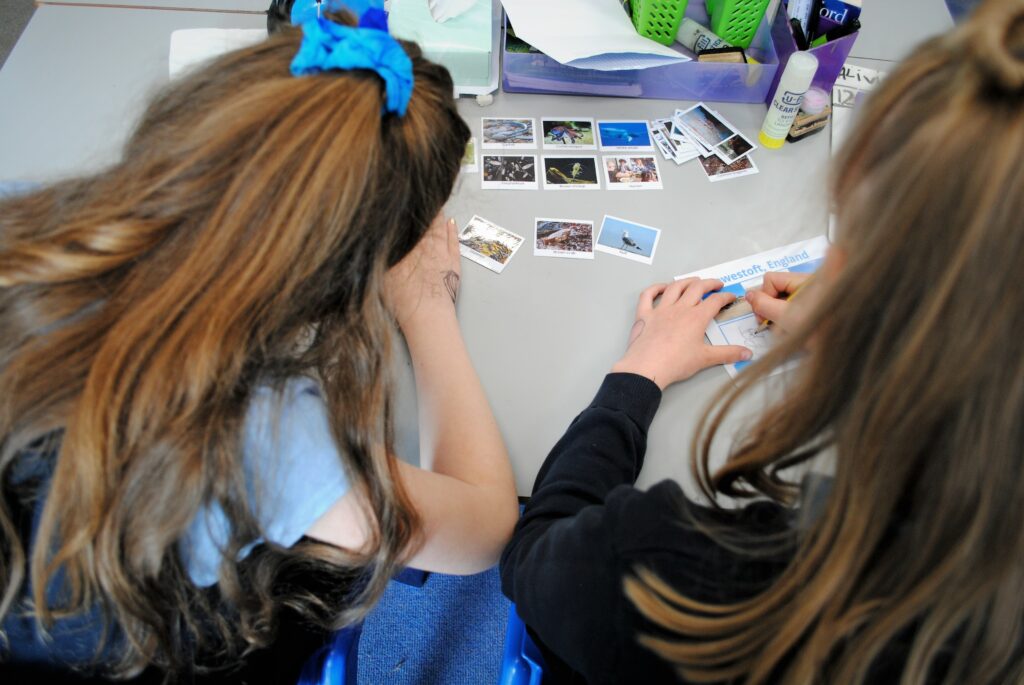
Despite being separated by more than 7,000 kilometres and located in opposite hemispheres, with the diverse climates and marine environments of the South Atlantic and North Sea, a ground-breaking primary school twinning project, supported by Cefas and Ascension Island, has …
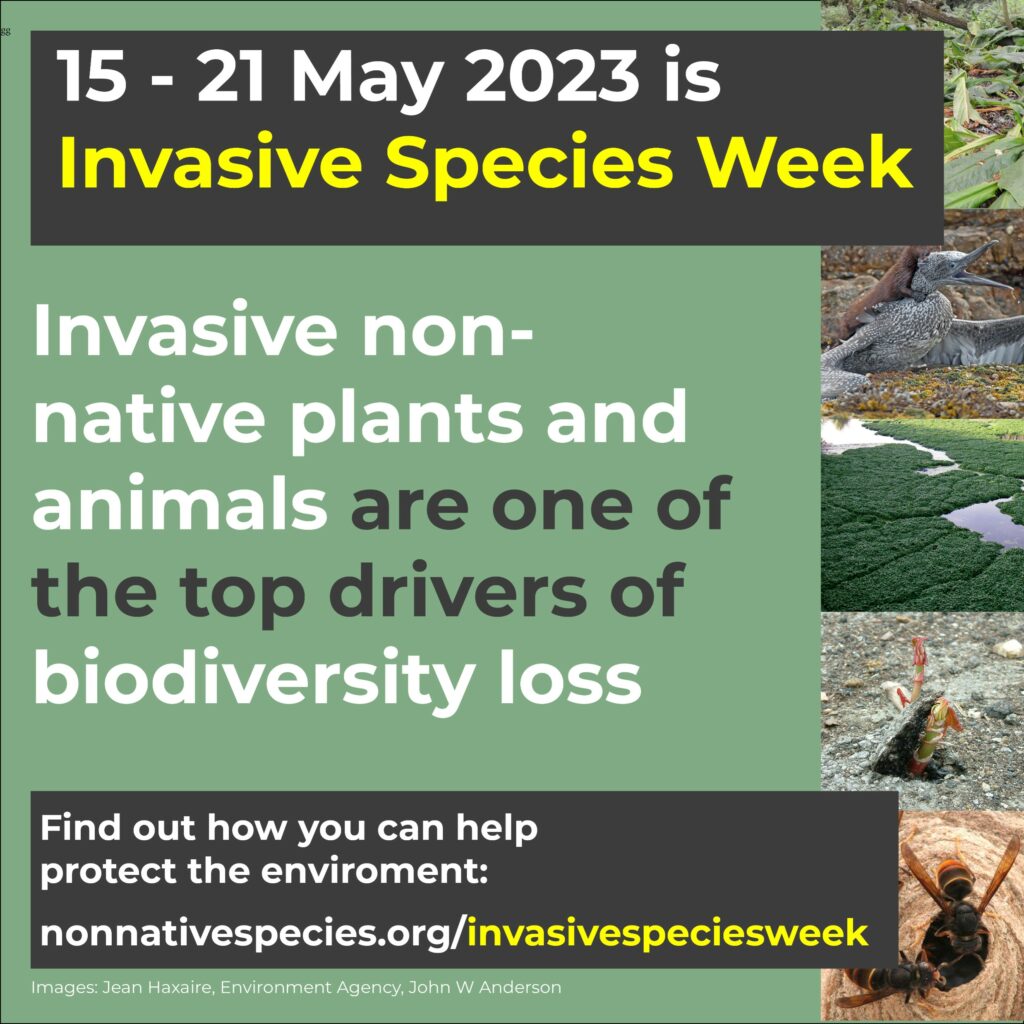
The annual Invasive Species Week is taking place between the 15th and 21st May 2023, led by the GB Non-Native Species Secretariat (NNSS) with many organisations taking the opportunity to raise awareness of the issues and work that is being …
Coral reefs are one of the most important ecosystems in the world, supporting up 25% of the ocean’s marine life. However, warming temperatures and ocean acidification have led to a decline in coral reef richness in much of the tropics. In …
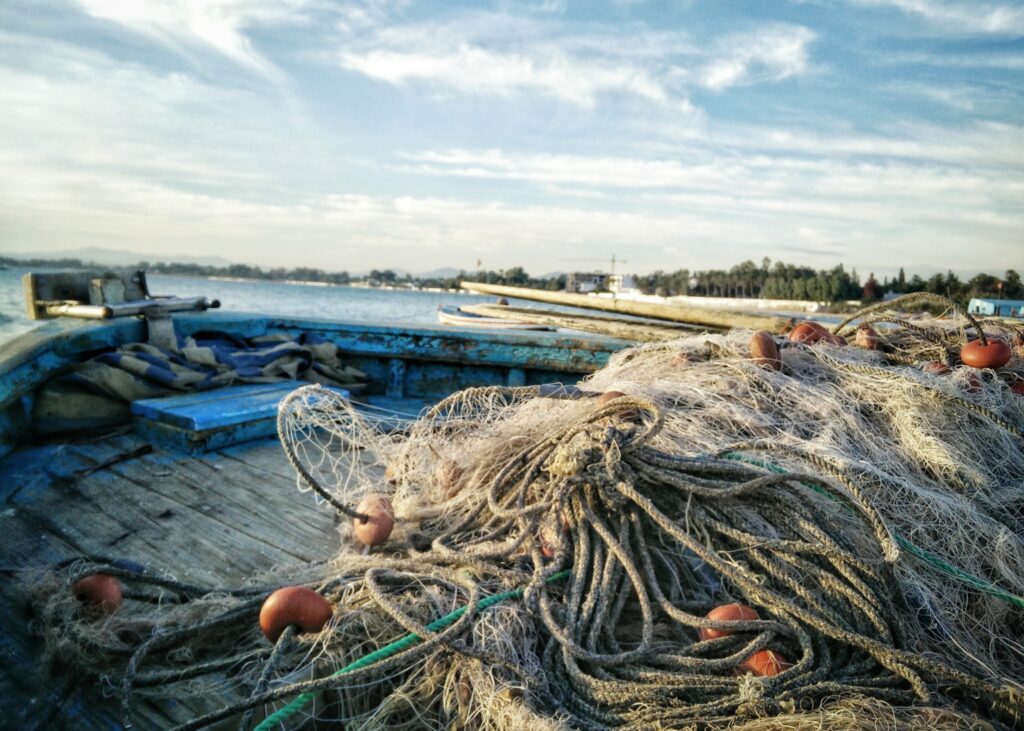
How can UK fisheries achieve Net Zero by 2050? With the Fifth Symposium on the Effects of Climate Change on the World’s Oceans (ECCWO5) underway this week in Norway, Cefas Scientist, Georg Engelhard tells us about his new report looking …
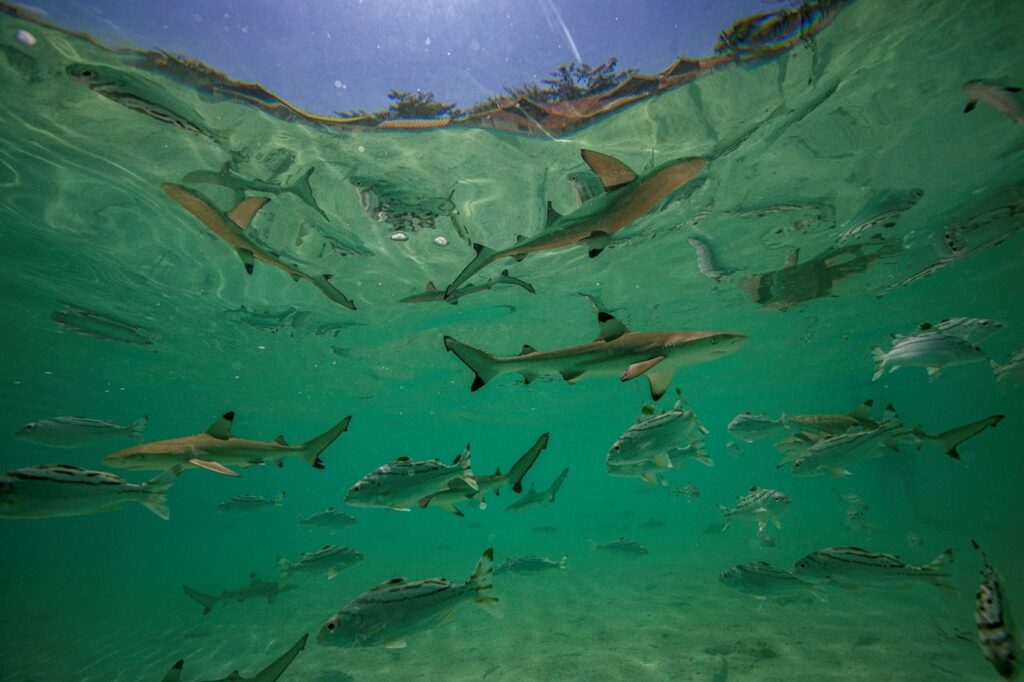
Warning: This blog contains images of mobulid ray gill plates. Some people may find this distressing. Sri Lankan waters are home to at least 105 different species of sharks and rays (known collectively as elasmobranchs). These animals provide a vital …
Coastal areas of the Channel Manche region (between England and France) have an excess level of nutrients (such as nitrogen) from river run-off and urban discharges, which causes excessive growth of green algal mats. Seaweeds will begin to build up …
Cefas scientists recently visited Belize as part of the UK government's Ocean Country Partnership Programme (OCPP). Jason Mewett (Senior Fish Health Inspector), Matthew Green (Histologist) and Mickael Teixeira Alves (Senior Risk Assessor) met with government and other organisations, at the …
The High Seas are areas of the ocean beyond any country's territorial control and make up almost two thirds of the world’s oceans. These areas are at a greater risk of exploitation as countries are able to move, fish and …
Cefas is marking International Women’s Day by inviting our female colleagues that we work with overseas on some of our international projects, to share their science and how we work together. We aim to celebrate the amazing work that is …
Scientists love a bit of data, but it’s not just dry numbers and graphs. To celebrate International Open Data Day on March 5th, Cefas scientists, Michelle Devlin, Chris Read, Naomi Greenwood and Paul Nelson tell us about their work under …