Have you ever walked along a beach and noticed pieces of plastic waste washed up along the shore?
Don’t walk past it. There might be valuable scientific data attached (as well as removing litter from the beach being the right thing to do). We already know that plastic waste harms marine life through ingestion and entanglement, but scientists studying non-native species are increasingly aware of another risk: hitchhiking species. As many plastics are buoyant, they can drift at sea for days, months and even years. If larvae settle on these plastic ‘rafts’, they can be carried far beyond their natural range. In some cases, species have crossed entire oceans attached to floating plastic. This matters when the waste washes ashore, because some of the new arrivals may begin to spread and colonise new areas. Local ecosystems may never have encountered them before and therefore have few natural defences against them. Species that can survive on plastic often need only a semi-stable surface to grow on, allowing them to compete with local species for space and resources. Unlike those attached to boat hulls, which tend to move along more predictable routes from harbour to harbour, plastic waste drifts anywhere, unpredictably, making it much harder to determine where these hitchhikers will end up.
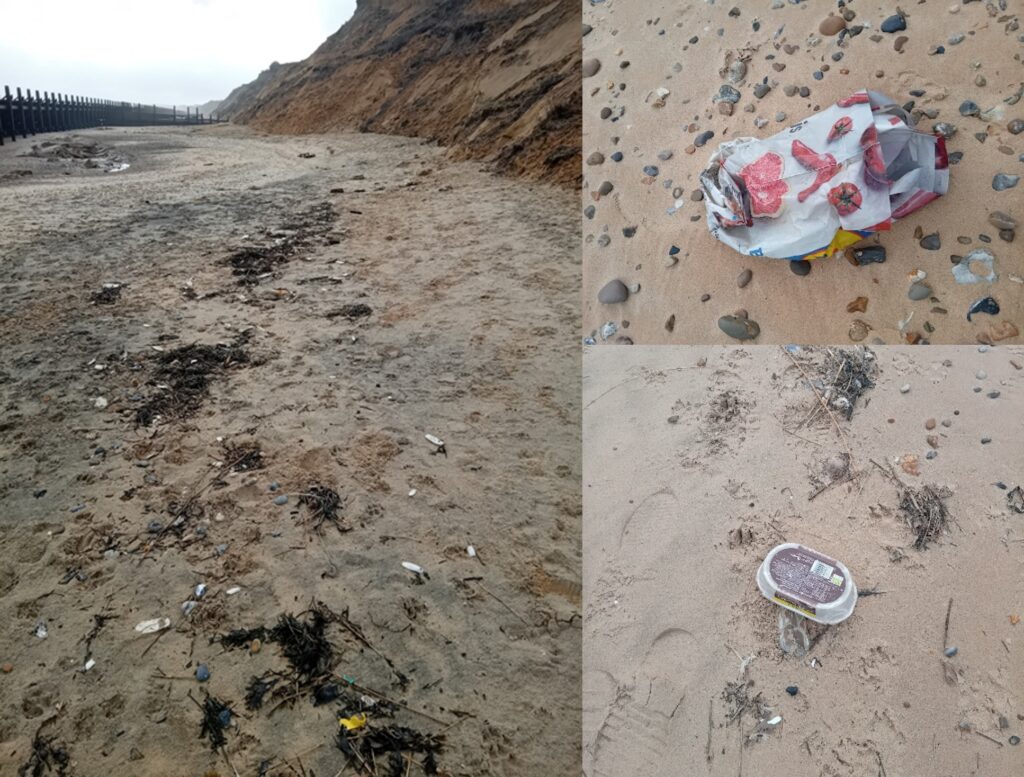
As the amount of drifting material in our seas continues to increase, we need a clearer picture of which species are travelling on which materials, where they are arriving, and whether some environments are at particular risk from repeated arrivals. This knowledge will help scientists target monitoring and control efforts where they are needed most.
The good news is that it is easy to keep an eye out for larger pieces of plastic waste washed up on your local beach, and the list of species we are most concerned about is quite small. Many attached organisms will be local species, and that is not a concern. Likewise, some species from warmer waters may occasionally be present, but they are unlikely to establish themselves in colder conditions. Surviving a long journey on an old piece of plastic is difficult, but some species are especially well adapted to survive and thrive across a wide range of conditions. These are the species we most need to watch for. They are:
- non-native
- capable of surviving being transported
- tolerant of a wide range of conditions
- known to affect local ecosystems
Softer-bodied species will not survive being beached, and some mobile species may leave when plastic waste reaches the shoreline, so they might not be recorded. In practice, we are mainly looking for species that remain attached and will still be present on a beached item of plastic waste. These are the species shown below.
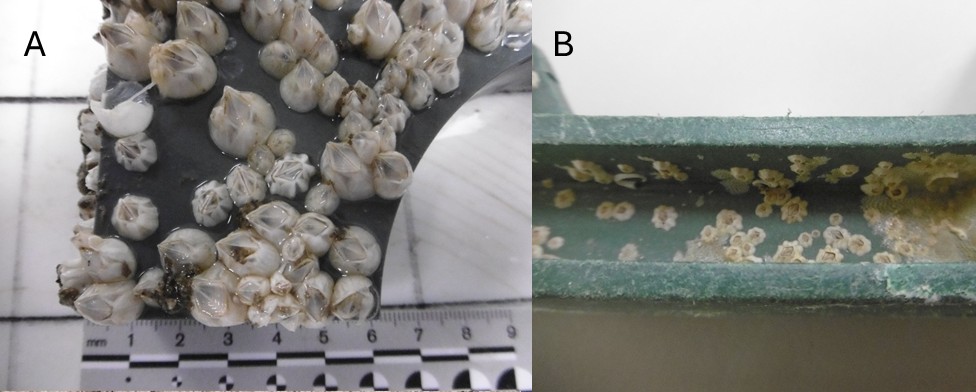
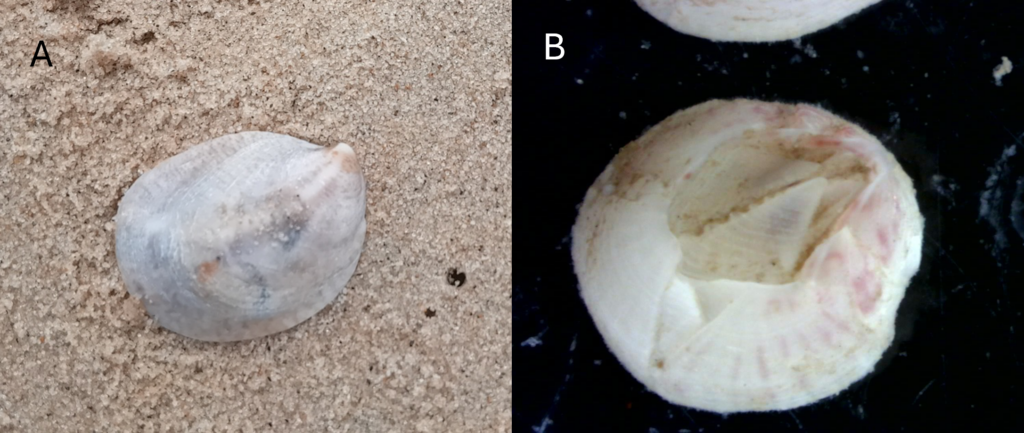
If you find any of these on washed-up plastic waste, we would like to hear about it. Please send us your records (with photos) to: nns@cefas.gov.uk and we’ll upload them to the international database. Researchers from around the world are already submitting sightings to the DeNIS database on the Marine Debris and Non-Indigenous Species website and we would like to include your sightings. Your records can help us find out about non-native species across much more of the UK coastline. Upload your photos, complete a short survey about where you found the item, and select the waste type from the drop-down menus. By taking part, you will help us understand how plastic waste moves through the marine system and which unwanted hitchhikers it may be carrying.
Find out more on the hazards of invasive species travelling on marine litter in this Cefas led paper: Seafloor macrolitter as a settling platform for non-native species: A case study from UK waters